
Tissue paper is used in homes, hotels, restaurants, offices, hospitals, shopping centres and many other commercial spaces. Products such as toilet rolls, facial tissues, kitchen towels, napkins and hand towels are manufactured through different converting and production processes.
For businesses entering this industry, understanding the complete manufacturing process is important. The investment can vary considerably depending on whether the business manufactures tissue paper from pulp or jumbo parent rolls, or simply converts jumbo rolls into finished consumer products.
Quick Information
| Information | Details |
| Industry | Paper & Tissue Manufacturing |
| Main Raw Material | Paper Pulp / Tissue Jumbo Rolls |
| Major Products | Toilet Rolls, Napkins, Facial Tissue |
| Other Products | Kitchen Towels, Hand Towels |
| Main Machines | Tissue Machine / Rewinder / Folder |
| Buyers | Retailers, Hotels, Restaurants & Institutions |
| Business Models | Manufacturing & Converting |
| Investment | Depends on Capacity & Automation |
| Major Markets | Retail, Hospitality, Healthcare & Commercial |
What Is Tissue Paper Manufacturing?
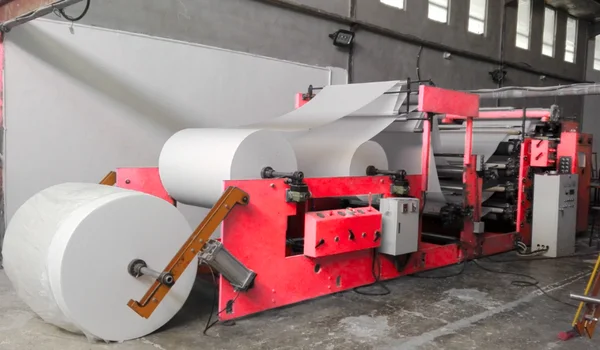
Tissue paper manufacturing involves producing lightweight paper designed for applications such as cleaning, wiping, personal hygiene and food service.
There are two important business models.
- Tissue Paper Production
In this model, the business produces tissue paper from pulp or other suitable paper-making raw materials.
This generally requires a more complex paper-making setup.
- Tissue Paper Converting
In this model, a business purchases large tissue jumbo rolls and converts them into finished products.
For example:
Jumbo Roll → Rewinding → Embossing → Perforation → Cutting/Folding → Packing
This model can require substantially less infrastructure than manufacturing the tissue paper itself and is therefore commonly considered by smaller businesses.
Types of Tissue Paper Products
Toilet Tissue
Toilet tissue is designed for personal hygiene and is generally supplied in rolls.
Facial Tissue
Facial tissue is commonly supplied in boxes or soft packs.
It is used in:
- Homes
- Hotels
- Offices
- Cars
- Restaurants
Kitchen Towels
Kitchen tissue is designed for wiping and absorbing liquids.
Paper Napkins
Napkins are widely used by:
- Restaurants
- Cafés
- Caterers
- Hotels
- Events
Hand Towels
Folded tissue hand towels are commonly used in commercial washrooms.
Industrial Wiping Tissue
Heavy-duty wiping products can be used in workshops, factories and maintenance environments.
Tissue Paper Manufacturing Process
The exact process depends on whether you are producing tissue paper from pulp or converting jumbo rolls.
Step 1: Raw Material Preparation
Paper pulp or suitable recovered fibre may be prepared depending on the manufacturing process and required product specifications.
Water is generally used to create a fibre suspension.
Step 2: Pulp Preparation
The pulp is processed to obtain the required fibre consistency and cleanliness.
Additional processes may be used depending on the raw material and desired tissue quality.
Step 3: Paper Formation
The prepared fibre suspension is distributed onto the forming section of the tissue machine.
Water is removed while fibres form a thin paper web.
Step 4: Pressing and Dewatering
Further water is removed from the newly formed sheet.
Effective dewatering is important for machine efficiency and paper quality.
Step 5: Drying
The tissue sheet is dried using a heated drying system, commonly involving a large drying cylinder.
Step 6: Creping
Creping gives tissue paper its characteristic softness, stretch and bulk.
The paper is separated from the drying surface using a blade, creating the characteristic creped structure.
Step 7: Jumbo Roll Formation
The finished tissue sheet is wound into large parent or jumbo rolls.
These rolls can then be sold to converters or transferred to the converting department.
Tissue Paper Converting Process
If you purchase jumbo rolls, the process is simpler.
Rewinding
The jumbo roll is converted into smaller rolls.
Embossing
Embossing can improve appearance, texture and bulk.
Perforation
Perforation allows users to tear the required amount from a roll.
Folding
For products such as napkins and hand towels, tissue sheets can be folded into the required format.
Cutting
The converted material is cut into the required dimensions.
Packaging
Finished products are packed in individual or bulk packaging.
The basic flow is:
Jumbo Roll → Rewinding → Embossing → Perforation/Folding → Cutting → Packaging
Raw Materials Used in Tissue Paper Manufacturing
Virgin Pulp
Virgin wood pulp is used when manufacturers require particular softness, strength or brightness characteristics.
Recycled Fibre
Recycled fibre can be used for certain tissue products depending on the desired quality and application.
Tissue Jumbo Rolls
For converting businesses, jumbo rolls are the primary raw material.
Packaging Material
Finished tissue products may require:
- Plastic packaging
- Paper packaging
- Cartons
- Labels
- Printed wrappers
The choice depends on the product and packaging requirements.
Tissue Paper Manufacturing Machines
The machinery required depends heavily on the business model.
For Tissue Paper Production
A larger manufacturing setup may require:
- Pulp preparation equipment
- Stock preparation system
- Tissue paper machine
- Forming section
- Pressing system
- Drying cylinder
- Creping system
- Rewinder
- Control system
- Packaging equipment
For Tissue Converting
A smaller converting unit may require:
- Jumbo roll rewinder
- Embossing unit
- Perforation unit
- Log saw/cutting machine
- Folding machine
- Napkin machine
- Packaging machine
Not every business needs all of these machines.
How to Start a Tissue Paper Manufacturing Business
Before investing in machinery, decide exactly what you want to manufacture.
Step 1: Choose the Product
Decide whether you want to produce:
- Toilet rolls
- Facial tissue
- Napkins
- Kitchen towels
- Hand towels
Step 2: Choose Production or Converting
This is one of the most important decisions.
If your budget and technical capabilities are limited, a converting business using jumbo rolls may be easier to establish than a complete tissue paper mill.
Step 3: Study the Market
Identify your potential customers:
- Retailers
- Supermarkets
- Hotels
- Restaurants
- Hospitals
- Offices
- Distributors
- Institutional buyers
Step 4: Select Machinery
Choose machinery according to:
- Production capacity
- Product type
- Automation
- Paper width
- Finished-product size
- Power availability
- Labour requirements
Step 5: Arrange Raw Materials
For converters, reliable jumbo-roll suppliers are critical.
Compare suppliers based on:
- GSM
- Ply
- Brightness
- Softness
- Strength
- Roll width
- Core size
- Price
Step 6: Set Up the Facility
The facility should have sufficient space for:
- Machinery
- Raw materials
- Production
- Finished goods
- Packaging
- Loading/unloading
Step 7: Complete Required Registrations
The exact registrations and approvals depend on the location, manufacturing process, scale and applicable regulations.
A business should check requirements related to:
- Business registration
- GST
- Udyam/MSME
- Local permissions
- Factory requirements
- Pollution-control requirements
- Labour regulations
- Fire safety
A professional should be consulted for the exact requirements applicable to the proposed facility.
Tissue Paper Manufacturing Cost in India
There is no single fixed cost for starting a tissue paper manufacturing business.
Investment can vary from a relatively small converting unit to a large integrated tissue mill.
Major cost components include:
| Cost Area | What It Includes |
| Land/Rent | Factory & storage |
| Machinery | Production/converting equipment |
| Raw Material | Pulp or jumbo rolls |
| Electricity | Production & machinery |
| Labour | Operators & workers |
| Packaging | Wrappers, cartons & labels |
| Installation | Machine setup |
| Working Capital | Inventory & operating expenses |
| Marketing | Sales & distribution |
For this reason, quoting one fixed “tissue paper manufacturing cost” can be misleading.
Factors Affecting Tissue Manufacturing Cost
Production Capacity
Higher-capacity machinery generally requires greater investment.
Automation
Automatic production and packing can reduce manual labour but increase initial machinery investment.
Raw Material
Pulp and jumbo-roll prices can significantly affect production costs.
Product Quality
Premium facial tissue or soft toilet tissue can require different raw materials and production specifications.
Packaging
Branded consumer packaging can increase costs compared with bulk institutional packaging.
Electricity
Paper manufacturing and converting machinery consume electricity, so power costs should be included in the business calculation.
Tissue Paper Manufacturing Profit Margin
Profit margins depend on the product and business model.
A manufacturer should calculate:
Selling Price – Raw Material – Electricity – Labour – Packaging – Maintenance – Transport – Other Overheads = Operating Margin
Margins can also differ between:
- Retail products
- Institutional supply
- Private-label products
- Wholesale
- Export orders
Instead of assuming a fixed percentage margin, businesses should prepare their own product-level costing.
Tissue Paper Quality Factors
Buyers generally consider several characteristics.
GSM
GSM indicates paper weight.
Ply
Products may be:
- 1-ply
- 2-ply
- 3-ply
- More depending on the product
Softness
Particularly important for facial and toilet tissue.
Strength
Important for wiping and kitchen-towel applications.
Absorbency
Important for kitchen and cleaning products.
Brightness
Appearance can be important for facial and premium tissue products.
How to Choose Tissue Paper Manufacturing Machinery
Don’t select a machine only based on its advertised production capacity.
Check:
Production Capacity
Ask for realistic output under your desired product specifications.
Product Compatibility
Make sure the machine can manufacture your required:
- Roll size
- Sheet size
- Ply
- GSM
- Embossing pattern
Automation
Compare manual, semi-automatic and automatic options.
Power Consumption
Electricity requirements affect operating costs.
Spare Parts
Ask about availability of replacement parts.
After-Sales Service
A machine with good technical support can reduce downtime.
Warranty
Check what components and services are covered.
How to Choose a Tissue Jumbo Roll Supplier
For converting businesses, raw-material quality is extremely important.
Check:
- GSM consistency
- Roll width
- Core diameter
- Moisture
- Softness
- Strength
- Absorbency
- Packaging
- Delivery reliability
Always test samples before committing to regular bulk purchases.
Major Buyers of Tissue Paper
Hotels
Hotels use tissues in guest rooms, bathrooms, restaurants and common areas.
Restaurants
Restaurants purchase napkins, hand towels and other tissue products.
Hospitals
Healthcare facilities have significant requirements for hygiene and cleaning products.
Offices
Offices commonly purchase facial tissues and washroom hand towels.
Retail Stores
Supermarkets and other retailers sell tissue products to consumers.
Distributors
Distributors can purchase products in bulk and supply smaller retailers.
Private-Label Tissue Paper Manufacturing
A tissue manufacturer or converter can produce products under another company’s brand.
For example:
Manufacturer → Your Brand → Retailer/Distributor
Private-label manufacturing can involve:
- Product specification
- Tissue quality
- Roll size
- Packaging design
- Printing
- Labelling
- Carton packing
If you are building a tissue brand, confirm MOQ and packaging requirements before selecting a manufacturer.
How to Find Tissue Paper Manufacturers
When looking for suppliers, search according to the exact product instead of using only “tissue paper manufacturer.”
Examples include:
- Toilet roll manufacturers
- Facial tissue manufacturers
- Paper napkin manufacturers
- Kitchen towel manufacturers
- Tissue jumbo roll suppliers
- Private-label tissue manufacturers
- Commercial tissue manufacturers
This approach can help buyers find manufacturers better suited to their requirements.
Common Mistakes in Tissue Paper Manufacturing
Buying Machinery Before Finding Customers
Production capacity is meaningless if you don’t have sufficient demand.
Ignoring Raw Material Quality
Cheap jumbo rolls can create quality and consistency problems.
Underestimating Working Capital
Businesses need money not only for machines but also for inventory, wages, electricity, packaging and distribution.
Choosing Machinery Only on Price
A cheaper machine may have lower output, higher wastage or limited technical support.
Producing Too Many Products
A new business may benefit from starting with a focused product range rather than trying to manufacture every tissue category.
Questions to Ask a Tissue Machine Manufacturer
Before buying machinery, ask:
- What is the actual production capacity?
- Which GSM range can the machine handle?
- What roll widths are supported?
- What finished products can it make?
- What is the power requirement?
- What is the expected material wastage?
- What is the machine warranty?
- Are spare parts available?
- Is installation included?
- Is operator training provided?
- What after-sales support is available?
- What is the expected machine life?
- What is the maintenance schedule?
- Can the machine be upgraded later?
- What is the total installed cost?
FAQs
Is tissue paper manufacturing profitable?
It can be profitable, but profitability depends on raw-material costs, production efficiency, product quality, selling price, distribution and capacity utilisation.
What is the main raw material for tissue paper?
Pulp is commonly used for tissue paper production, while tissue converting businesses generally purchase jumbo tissue rolls as their main raw material.
What machines are required for tissue paper manufacturing?
A full tissue mill requires paper-production equipment, while a converting unit may need rewinders, embossers, perforators, cutters, folders and packaging machines.
How much does it cost to start tissue paper manufacturing?
The investment varies significantly depending on whether you are setting up a converting unit or a complete tissue paper production facility, along with the desired capacity and automation.
Is tissue paper manufacturing the same as tissue converting?
No. Manufacturing involves producing the tissue sheet, while converting generally involves turning large tissue jumbo rolls into finished consumer or commercial products.
What products can be made from tissue paper?
Common products include toilet rolls, facial tissues, paper napkins, kitchen towels and folded hand towels.
Can I manufacture tissue paper under my own brand?
Yes. Businesses can work with manufacturers or converters for private-label tissue products, subject to MOQ, packaging and production requirements.
What should I check before buying tissue-making machinery?
Check production capacity, GSM range, product compatibility, automation, power consumption, material wastage, spare parts, warranty and after-sales service.
Final Thoughts
Tissue paper manufacturing can be approached as either a complete paper-production business or a tissue-converting business. This distinction is important because the machinery, investment, technical requirements and operating model can be very different.
For entrepreneurs entering the industry, converting jumbo tissue rolls into products such as toilet rolls, napkins, facial tissues and kitchen towels may be a simpler starting point than establishing a complete tissue paper mill.
Before investing, study the local market, identify your target customers, calculate raw-material and operating costs, compare machinery carefully and secure reliable distribution channels. A well-planned production capacity combined with consistent quality and repeat B2B customers is more important than simply buying high-capacity machinery.
