India’s vegetable wholesale market plays a massive role in the country’s food supply chain. From local sabzi vendors and grocery shop owners to hotels, restaurants, caterers, and supermarket chains, everyone depends on wholesale vegetable markets for fresh produce at competitive prices.
Whether you are planning to start a vegetable business, open a retail shop, supply to restaurants, or simply understand how India’s mandi system works, knowing the wholesale vegetable market can give you a strong advantage.
India has one of the largest agricultural economies in the world, and vegetables move daily through thousands of wholesale mandis, agricultural markets, and distribution hubs. These markets are the backbone of fresh food distribution across cities, towns, and villages.
What Is a Vegetable Wholesale Market?
A vegetable wholesale market is a place where vegetables are bought and sold in bulk quantities. Farmers, commission agents, traders, distributors, retailers, and institutional buyers gather in these markets to trade fresh produce.
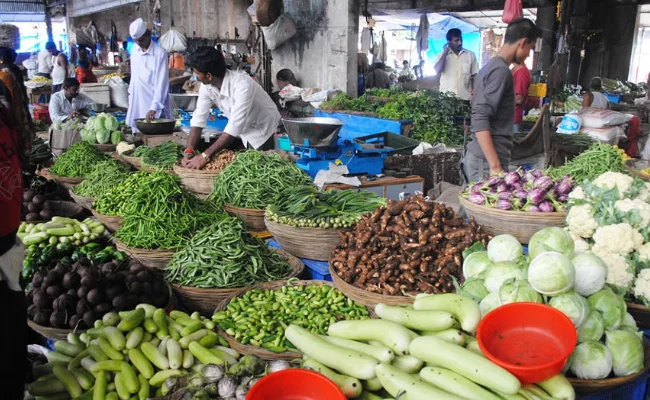
These markets usually operate early in the morning and handle:
- Bulk vegetable trading
- Auction-based pricing
- Distribution to retailers
- Inter-state supply
- Restaurant and hotel procurement
Wholesale markets generally offer lower prices than retail markets because products are sold in large quantities directly from farmers or distributors.
How the Vegetable Supply Chain Works in India
The vegetable business in India follows a large network from farm to customer.
Step 1: Farmers Harvest Vegetables
Farmers grow seasonal and non-seasonal vegetables such as:
- Tomato
- Onion
- Potato
- Cabbage
- Cauliflower
- Green chili
- Brinjal
- Okra
- Spinach
Step 2: Produce Arrives at Mandis
Vegetables are transported to wholesale mandis through:
- Trucks
- Pickup vans
- Mini tempos
- Cold chain vehicles
Step 3: Commission Agents & Traders Buy Produce
Agents and wholesalers purchase vegetables in bulk and resell them to:
- Retail vegetable sellers
- Grocery stores
- Hotels
- Caterers
- Supermarkets
Step 4: Retailers Sell to Consumers
Local vegetable vendors and retail stores finally sell produce to customers.
This entire chain moves extremely fast because vegetables are perishable products.
Why Vegetable Wholesale Markets Are Important
Wholesale vegetable markets are critical for both farmers and buyers.
Benefits for Farmers
- Quick product sales
- Large-volume buyers
- Daily cash flow
- Wider market reach
Benefits for Retailers
- Lower purchase cost
- Better profit margins
- Fresh stock availability
- Bulk buying options
Benefits for Consumers
- Continuous supply of fresh vegetables
- Competitive retail pricing
- Seasonal produce availability
Without wholesale mandis, the fresh vegetable ecosystem in India would struggle to function efficiently.
Major Vegetable Wholesale Markets in India
India has many famous vegetable mandis that supply produce across regions.
Azadpur Mandi – Delhi
Azadpur Mandi is one of Asia’s largest fruit and vegetable wholesale markets. Traders from multiple states bring produce here daily.
Popular products:
- Potato
- Onion
- Tomato
- Green vegetables
- Seasonal fruits
Retailers from nearby states often source vegetables from Azadpur due to its huge volume and competitive rates.
Vashi APMC Market – Mumbai
APMC Market Vashi is one of Maharashtra’s largest agricultural produce markets.
The market handles:
- Vegetables
- Fruits
- Grains
- Onion and potato trade
Hotels, restaurants, and local vegetable distributors heavily depend on this market.
Koyambedu Market – Chennai
Koyambedu Wholesale Market Complex is one of South India’s biggest wholesale vegetable markets.
It supplies vegetables to:
- Tamil Nadu
- Kerala
- Andhra Pradesh
- Karnataka
Mullick Ghat & Posta Markets – Kolkata
Posta Market is known for large-scale vegetable and agricultural trade in Eastern India.
Kalasipalya&Yeshwanthpur Markets – Bengaluru
Yeshwanthpur APMC Yard supplies vegetables to Bengaluru’s retail shops, restaurants, and supermarkets.
Types of Buyers in Vegetable Wholesale Markets
Different businesses depend on wholesale vegetable markets.
| Buyer Type | Purpose |
| Local Vendors | Daily retail selling |
| Grocery Shops | Regular inventory |
| Hotels & Restaurants | Bulk cooking requirements |
| Caterers | Event food preparation |
| Supermarkets | Fresh produce sections |
| Food Processors | Pickles, frozen foods, sauces |
| Online Grocery Platforms | Quick delivery supply |
The demand for fresh vegetables continues throughout the year, making it a stable business sector.
Best Vegetables for Wholesale Business
Some vegetables have consistently high demand and faster turnover.
Onion
One of the most traded vegetables in India due to year-round demand.
Potato
Easy to store and transport, making it ideal for wholesale business.
Tomato
Highly profitable during price fluctuations but requires careful handling.
Green Leafy Vegetables
Fast-selling but highly perishable.
Seasonal Vegetables
Examples include:
- Peas
- Cauliflower
- Carrot
- Bottle gourd
Seasonal produce often provides better margins during peak demand.
How to Start a Vegetable Wholesale Business
Starting a vegetable wholesale business does not always require massive investment. Many traders begin small and gradually scale operations.
- Understand Local Demand
Research:
- Which vegetables sell most
- Daily market demand
- Seasonal trends
- Restaurant requirements
- Build Farmer Connections
Direct sourcing from farmers can improve margins significantly.
- Choose the Right Market
Select a mandi based on:
- Product availability
- Transportation access
- Market competition
- Storage facilities
- Arrange Transportation
Fresh vegetables require quick transportation to avoid spoilage.
- Focus on Quality
Freshness matters most in this business. Buyers prefer:
- Clean produce
- Proper grading
- Uniform size
- Fresh stock
Challenges in the Vegetable Wholesale Market
Like any business, vegetable trading also has risks.
Price Fluctuation
Vegetable prices can change daily depending on:
- Weather
- Crop production
- Fuel costs
- Supply shortages
Perishable Nature
Vegetables spoil quickly if:
- Transport is delayed
- Storage is poor
- Temperature is not controlled
Seasonal Dependency
Some vegetables are available only during certain seasons.
Competition
Local markets often have intense competition among wholesalers and traders.
Tips to Earn Better Profit in Vegetable Wholesale Business
Buy Early Morning
Fresh stock arrives early, and prices are often better.
Avoid Overstocking
Excess inventory increases spoilage risk.
Track Seasonal Trends
Knowing market demand patterns helps improve profits.
Use Cold Storage
Cold storage facilities help reduce wastage for certain vegetables.
Build Long-Term Buyer Relationships
Regular customers provide stable business throughout the year.
Online Vegetable Wholesale Market Trend
Technology is transforming India’s vegetable business rapidly.
Many traders now use:
- WhatsApp ordering
- Digital payments
- Online mandi rates
- B2B supply apps
Several agritech companies also connect farmers directly with retailers and businesses.
Popular online B2B agriculture platforms include:
- NinjaCart
- DeHaat
- BigHaat
- Udaan
These platforms help improve supply chain efficiency and reduce middlemen involvement.
Investment Required for Vegetable Wholesale Business
The investment depends on business size.
| Business Scale | Estimated Investment |
| Small Local Trading | ₹20,000 – ₹1 lakh |
| Medium Wholesale Supply | ₹2 lakh – ₹10 lakh |
| Large Distribution Business | ₹20 lakh+ |
Expenses usually include:
- Transportation
- Labor
- Storage
- Market fees
- Packaging
Future of Vegetable Wholesale Markets in India
India’s vegetable demand continues to grow due to:
- Population increase
- Urbanization
- Restaurant industry expansion
- Online grocery growth
Modern cold chain infrastructure and digital supply systems are also improving the wholesale ecosystem.
At the same time, traditional mandis remain extremely important because they connect millions of farmers and buyers daily.
Final Thoughts
The vegetable wholesale market in India is one of the country’s most active and essential business sectors. From giant mandis in Delhi and Mumbai to regional agricultural markets across smaller cities, the system keeps fresh produce moving every single day.
For entrepreneurs, this business offers:
- Daily cash flow
- Constant demand
- Scalable opportunities
- Low entry barriers
Whether you want to become a local vegetable supplier, restaurant distributor, mandi trader, or large wholesale dealer, understanding market trends, pricing, logistics, and product quality is the key to success.
With proper planning, supplier connections, and smart inventory management, the vegetable wholesale business can become a profitable long-term venture in India.

Jyoti is a business researcher and content writer based in Agra, Uttar Pradesh, India. She holds a Bachelor of Commerce (B.Com.) degree from Dr. Bhimrao Ambedkar University, Agra, and specializes in writing about wholesale markets, suppliers, manufacturers, MSMEs, and business opportunities in India. Through in-depth research and practical insights, she aims to help entrepreneurs, retailers, and business owners make informed decisions with reliable and easy-to-understand content. Know more about her.